Showing posts with label Congenital Diaphragmatic Hernia. Show all posts

Saturday, March 25, 2017

Long Term CDH Complications

Not all CDH babies are the same. Each one handles treatment differently. There are many factors to consider for treatment. Babies who had a more severe diaphragmatic hernia may face challenges which can include learning problems, breathing issues, hearing loss and growth problems. Some CDHers have long term or even life long complication.

Some of these complications can include:

*CDH Recurrence- when the diaphragmatic hernia opens up again and needs to be repaired.
*Respiratory Issues- Often times CDHers lungs are underdeveloped due to the abdominal organs being in the chest cavity not giving the lung space to grow. This is called lung hypoplasia. Some children require oxygen. Some children fatigue easily with exercise or have respiratory problems such as asthma that improve with breathing medications.

*RSV- a common cold virus that infects many people. Children born with CDH don't have normal lung development and are very susceptible to RSV. Many end up in the hospital and on oxygen when they contract RSV.

*Pulmonary Hypertension- constricted blood flow to the lungs. It's common in babies with CDH and can persist beyond a few weeks to many months after birth.

*Gastrointestinal issues

*Nutrition and oral aversion- because it takes so much for CDHers to breathe and they tire easily, it is difficult for them to take in everything they need by mouth. In those cases, a feeding tube would be placed.

*GERD- It is common for CDHers to suffer from GERD where their stomach contents reflux into the esophagus. This is treated with acid reflux meds. In severe cases they undergo a fundoplication surgery to stop the reflux.

*Abdominal pain and appendicitis- CDHers don't have the typical intestine flow because their intestines are up in the chest cavity or jumbled up. Surgeons can only place them back into the abdomen and let them work themselves out. It's important to know this in the event your child develops abdominal pain and a appendicitis is suspected. It's important to  know where the appendix is located because it might be in a different spot than is typical.

*Constipation- It's unknown why CDHers suffer constipation frequently but it can be treated with laxatives.

*Bowel Obstruction- During repair surgery the organs have to be manually put back into the abdomen. This can cause scar tissue or adhesions within the abdomen that can kink the bowel. The kink can block the flow of liquids in the intestines called a bowel obstruction.

*Problems with skeletal development

*Scoliosis- CDHers can develop a curve in the spine as they grow. This could be related to differences in lung size on the two sides of the chest.

*Pectus chest wall deformity- CDHers  may develop a depression of the sternum.

*Hearing loss- babies who have been intubated on a ventilator with oxygen, received multiple meds, or were on ECMO are at risk for hearing loss. Regular hearing loss is advised.

*Developmental delay- children who have been ill and hoapitalized for prolonged periods are at risk for delay in normal development. It's important to identify developmental delay early.

Sunday, February 19, 2017

Thursday, January 5, 2017

2016 Christmas Drive Success


On December 22nd we braved the fog and the hour drive to Valley Children's to deliver gifts just in time for Christmas. Thank you every who donated to our annual Christmas drive in memory of Liam Michael Bryant. We delivered the following with smiles on our faces and joy in our hearts because we know that these gifts will put smiles on the kids in the hospital:
59 complete care packages
Plus the following loose toys: 
16 bubble wands
5 tea sets
1 nerf sport toy
6 coloring books
29 stuffed animals

If you don't see the items you donated listed above, it's because they were put into a care package. Each care package included at the least:
1 toy
1 stuffed animal
1 book or coloring book
crayons, color pencils or markers to go with the coloring books
Some care packages included blankets
NICU care packages included stuffed animals, socks, hat, book, blanket and toothbrush for a parent.

I know each kid loved every toy, every blanket, every stuffed animal. Thank you for helping us help make their Christmas's a little brighter.

(Involving kids in our mission is something I strive for with each event/donation. Liam's big sister Lanie, the blonde in the middle, is always involved in every aspect of Shooting for Liam. From picking out items to donate, to putting together care packages and planning picnic's, she's right there by my side.)

We are already working on next years drive so if you didn't get a chance to donate this year, know you still help with next years. We are now accepting donations for 2017.

Thank you everyone for helping us do something great in memory of our sweet little lamb.


Friday, September 9, 2016

Christmas Drive

This December marks the one year anniversary of when our sweet little lamb became an angel. We are doing a drive in his memory for Valley Children's Hospital.


We want to deliver these packages to the hospital around December 15th and are asking for the following items:

*backpacks or tote bags
*books (for all ages)
*stuffed animals
*blankets (baby-teen)
*small toys
*journals or notebooks
*coloring books or activity books
*crayons, color pencils and pens
*toiletries (NICU parents)
*tethers and baby toys
*baby socks and hats
*on the go snacks (granola bars, protein bars, etc)

These are just some ideas of the kind of things we'd like to include in our packages. We are putting together care packages for newborn to age 19 as well as parents in the NICU. Often times parents are too worried for their babies that they forget to eat themselves or even pack the essentials like a toothbrush or hairbrush. Adult coloring books and puzzle books are a great thing for NICU parents as well because often times there are long stretches of time when they cannot hold their baby so they just sit at their side These items would give them a much needed break as well as relieve some stress. 

We are also having an online Jewelry in Candles party to raise money to purchase items for these care packages. This party will be active until 10/09/2016 and 100% of the commission is going to buying more items for children's hospital. Click here to shop our Jewelry in Candles party

If you'd like to donate items, please contact us on our Facebook page or email us at shootingforliam@yahoo.com


A care package we made for a family who was in the NICU at Children's hospital August 2016.

Our donation to Children's in memory of Liam in April 2016.

Just some of the items we donated in April 2016.

October 2012, our tethers for teethies drive. 


Monday, April 18, 2016

Life After Loss


I'm not sure how others handle the loss of a child.
And I know not every piece of advice is good advice.
But one piece of advice stands out above the rest:
 
"The pain never goes away,
it only gets easier to hide"
 
Its been 17 week and 6 days since my Liam grew wings.
Some days are harder than others,
but every day is hard.
 
I shouldn't of had to say goodbye to my son,
who was only 4 years,
5 months,
and 1 day old.
None of us should ever have to say goodbye to our children.
None of us should have to see our children struggle,
or fight for their right to just live.
 
But we do.
Because of Congenital Diaphragmatic Hernia.
 
Sure we know the statistics:
1 in every 2500 liv births are effected by CDH.
Only 50% of babies survive.
Most that do suffer life long medical problems.
 
But statistics are just numbers,
until we have to live them.
 
When we were in NICU with Liam in 2011,
there were 4 CDH babies fighting.
Only 2 of those babies made it out of NICU.
 
Liam fought every day of his short little life.
And even though we knew there was always a chance we could loose him,
we just thought as each year passed we were closer to being out of the woods.
We didn't expect this.
 
CDH doesn't just cause problems with the lungs,
heart,
or intestines.
It messes with the immune system and weakens it.
And when you have a child who is failure to thrive and unable to gain weight,
their immune system is even more weaker.
 
A "simple" cold would land Liam in the hospital and on oxygen.
He fought frequent pneumonia's,
colds,
flu's,
RSV,
until he caught a virus he could no longer fight.
 
He battled this virus for two weeks.
It would seem he got better after 3 days,
then sick gain.
Basically he couldn't fight this off any longer,
and his body gave out.
This virus caused a pulmonary embolism,
which took his life.
 
There hasn't been a day without tears.
Some days I can go out into public and hide my sadness,
my anger.
Other days all I can do is cry.
 
Liam's life came down to numbers and boxes.
How long he lived.
How much it cost to cremate him.
The urn,
a wooden box his ashes forever rest in.
The number of boxes his stuff got packed in.
Boxes and numbers it seemed was all anyone cared about.
Except me.
 
Because no one on this planet knew Liam like I did.
 
And I think all mothers feel like that.
 
So why do I continue to spread awareness when I could just walk away from it all?
Because I can't walk away.
I don't want some other family to be blindsided like we were.
Because someone could learn about CDH from something I do or say,
and that leads them to spread awareness,
and possibly one day someone will invest in research and make a difference.
No it won't effect me since my son is gone.
But one day it'll make a difference for our great great great grandchildren if we're lucky.
 
I don't know what makes anyone feel "better" about their loss.
I don't know how others cope with it.
I just keep putting one foot in front of the other,
moving forward in hopes that one day things will just click,
and one day I'll "feel better".

Tuesday, March 3, 2015

What Does CDH Mean To You?


We want to know what you think of when you hear CDH.

How has this journey changed you?

For me, CDH means strength.
You have to be strong to endure this journey.
And if you didn't start out strong,
it made you strong.

"You never know just how strong you are until you have to be"

Share with us your stories.
Your memories.
The ups.
The downs.
What CDH means to you.

Let's spread #cdhawareness

CDH awareness week is March 25-31st

Tuesday, February 3, 2015

CDH Awareness Tshirts


With CDH awareness week only 49 days away we started our tshirt fundraiser.
Please help us spread awareness by buying one of these great shirts.
The money helps us raise awareness to our local hospitals and community.

This fundraiser will last only 2 weeks so get your shirts while you can!!
Please spread the word and the link.

The money raised will be going to print awareness pamphlets,
items to comfort the kids admitted into the hospital,
and spreading awareness to our community.

Here's what we wrote on the fundraiser page:
We are raising money to spread awareness to our local hospitals and community about Congenital Diaphragmatic Hernia, a deadly birth defect. My son was born 7/14/11 with CDH and survived. CDH affects 1 in every 2500 births. There is no known cause. 50% of babies born with CDH do NOT survive. Most people have never heard of CDH unless they or someone they know has been affected. We want to change this by spreading awareness as well as helping CDH Families. 

Check out the fundraiser at http://www.booster.com/s4lcdhawareness


Monday, December 29, 2014

Gastropharisis

What is Gastropharisis?

Liam's been diagnosed for since he was a few months old with Gastropharisis. Like with all things I normally re-research everything Liam's been diagnosed with to  see if any new info has popped up. Lately his Gastropharisis has been on my. It most likely stems from my frustration that Liam will only take a few bites of food at a time before being done. 

I got my info from the Mayo Clinic website during this search.

What is Gastropharisis? How does it affect you? 
It's not always clear why someone has Gastropharisis but in many it's believes to be caused when the vagus nerve is damaged. The vagus nerve controls the stomach muscles and helps manage the digestive tract. It' sends signals to your stomach telling it to contract to push food through. When the vagus nerve is damaged it can't send signals to the stomach. Damage can be caused by disease such as diabetes or abdominal surgery. 

What are the symptoms of Gastropharisis?
Vomiting 
Nausea 
Feeling full after just a few bites 
Abdominal bloating
Heartburn or GERD
Changes in blood sugar
Lack of appetite 
Weight loss and malnutrition

There is no cure for Gastropharisis. Changes to diet it meds can sometimes help. Gastropharisis can cause complications such as:
Bacterial growth in the stomach due to food sitting there. 
Food left in the stomach can harden causing a hard mass called a bezoar. These can be life threatening. 
Blood sugar fluctuations. Poor blood sugar makes Gastropharisis worse. 


In Liam's came his vagus nerve was damaged. The doctors aren't sure if it was due to his birth defect CDH or the repair surgery. They are however sure the nerve was damaged. Liam recently in the last 6 months was weined of his mobility med, erythromycin and takes his acid reflux (GERD) meds as needed. 

Liam will take only a few small bites of food at a time. Some days more than others. He has his ups and downs. He can be fine for a few days, weeks or months then get hit with severe vomiting symptoms and have to be taken to ER for fluids and IV zofran. He has random sparatic stomach due to his Gastropharisis. I'm still "new" to this so I'm unsure what the future holds as far as eating is concerned. I've had little contact with those who've had Gastropharisis for years and little idea on how if this only gets worse over time or if in some cases it does indeed get better. 

Considering there is no cure I am sure that Liam will not be miraculously cured of Gastropharisis anytime soon. The good news is that after changing his feeding tube from a Mickey to an AMT mini one ballon less his episodes of vomiting have been cut by 90%. 

I am reveling in the fact that this time last year we made the switch in tubes and it's made the world of a difference. He went 8 months with NO hospital stay! I tiredly believe it's because we switched tubes because it was an instant change in him. This time last year Liam started eating and showing interest in foods. It was a slow and steady start (although at the time it felt he was diving in head first and eating as if it was an everyday thing for him). That was my small miracle. 

People live with Gastropharisis everyday, some their entire lives with minimal flare ups and episodes. It's manageable. I may now know if or when Liam will decide to eat and ditch the feeding tube but I do know he can live a fairly normal life. And for a mom of a special needs child, fairly normal is perfect! ❤️❤️❤️

"I may have Gastropharisis but Gastropharisis does NOT have me"

Sunday, November 9, 2014

Sensory Play: Christmas

Kids that spend a lot of time in NICU or the hospital tend to have sensory issues.
CDHer's are no exclusion.
In fact many survivor have sensory issues.
Parents find that these issues are hard to overcome.
Our survivor Liam is no exception.
Liam still has sensory issues at 3 years 4 months.
We've worked very hard with him to work through these issues,
and hard work is the only reason he's doing as well as he is.
For the majority of his Liam's life,
he hated textures.
If it wasn't super soft he refused to hold it.
He hated the feel of playdoh,
sand,
uncooked rice and noodles.
We worked past this by playing with these things over and over again.
We still have a lot of work to do.
Sensory bins are awesome.
I love how there is so much in such a small area.
It's meant to stretch their ability to be handle the stimulation with each passing use.
With Christmas coming up I thought to do a Christmas themed sensory bin.
In my Google search I found many I like.

This winter themed sensory bin is so simple and cheap.
Everything in it came from the Dollar store and added up to $5!!
I adore it. I found this at Snails and Puppy Dog Tails Blog.
She has several amazing sensory bins that I am looking forward to making for Liam.

This snowy sensory bin looks like so much fun!
We found this gem at Blog Me Mom

I feel like this is a two for one deal.
Not only so the kids get the sensory aspect out of filling the ornaments,
but when they are done,
you get some great ornaments for your tree.
I love that they used beads as well as sand to fill these up.
It gives me a great idea to use other materials as well.
I found this AMAZING idea over at Little Bins For Little Hands.

Love this sensory bin.
It has some of Liam's favorite things.

We are already so excited for Christmas!
Can't wait till closer to Christmas to do some crafts with the kids.

Thursday, March 20, 2014

Show Us Your Turquoise Giveaway


The following is copied from our FB page:
Anyone can enter this contest just send us your pic of you wearing wearing turquoise or holding a CDH sign or spreading awareness to enter. By entering you understand that your pictures WILL be posted on our FB page and blog. Prize is being donated by Cherubim (Aubin's personal boutique). This contest is in no way affiliated with Facebook or Breath Of Hope. S4L is doing this contest to get more people actively participating in spreading awareness about Congenital Diaphragmatic Hernia. Winner will be chosen by an random generator (such as random.org or similar) to insure fairness to the contest. We want everyone to have a chance to win. The prize includes:
ONE round rhinestone charm locket
ONE chain
ONE CDH turquoise awareness ribbon
And if the winner chooses to purchase additional charms for their locket they will get 20% off their first order through Cherubim. (Not all charms are shown on their page so ask if your looking for something specific)
Good Luck to everyone and you can start entering today if you wish.
To enter PM us your pics!

To enter head on over to our FB page and submit your photos http://www.facebook.com/ShootingForLiam

Friday, January 17, 2014

Encouraging Words


Being a parent or care giver to a child with CDH isn't easy. On one hand we are very blessed that our loved one is a survivor. We wouldn't change that for the world. But sometimes it feels like the walls are caving in threatening to crush us like little ants. When the walls threaten to fall, and your world threatens to collapse, take a few minutes for yourself. A few deep breathes, a few minutes alone in a quiet room, an ipod in your ears blasting your favorite music, SOMETHING! You deserve it. YOU NEED IT! You need to stay strong through this long harsh journey and to do that you need to take care of yourself. I know it's seems easier said than done. I've been there...am there. To say its tough feels like an understatement at times. And sometimes you just need someone to look you in the eye and say "You got this". So here I am metaphorically looking you in the eye. You got this. You can do this. Your stronger than you could ever imagine. Just wait and see. You got this! <3 <3 <3

-Aubin Bryant

#whenlifegetsyoudown #thewallsareclosingin #inspire #havefight #strength #wordsofwisdom #cdh #cdhawareness #cdhturquoise #S4L #ShootingForLiam #hope 

Wednesday, November 13, 2013

13 Days Of Thanks

Day 13: S4L is thankful to be able to share the ups and downs rollercoaster with all the CDH families we have connected with. We are also greatful to me able to share these updates with you and try to make a difference somewhere.

Day 12: S4L is thankful for GI specialist and feeding therapist.

Day 11: S4L is thankful for physical therapist.

Day 10: S4L is thankful for CDH specialist and researchers.

Day 9: S4L is thankful for Respitory Therapist. You guys are amazing!!

Day 8: S4L is thankful for ER nurses at Children's hospital Central CA for making all our visits as stress free as possible. You work hard and manage to smile even when exhausted. Thank you ER nurses everywhere!!!

Day 7: S4L is thankful to the NICU staff at UCSF for taking such great care of all the babies in their care. You are an amazing team and have become like family to us!

Day 6: S4L is thankful for the emergency transport teams that have taken care of Liam for both hellicopter rides to UCSF. Thank you for getting our Liam safely to his destination. And thank you to all transport teams out there for doing a wonderful job!!

Day 5: S4L is thankful for ECMO because it helped save so many lives, including Liam's and continues to do so.

Day 4: S4L is thankful for FB page Blenderized Food For Tubies. Because of the info they provided and the support they gave me I started Liam on the BD for a few bolus feeds and because of that he is growing great and even getting chubby cheeks.http://www.facebook.com/foodfortubies

Day 3: S4L is thankful for FB page Feeding Tube Awareness for providing great info on feeding tubes and helping families connect. http://www.facebook.com/FeedingTubeAwareness

Day 2: S4L is thankful for Nayeli Faith Foundation because they helped us when we needed it the most. Not only did they provide UCSF with meal cards and parking passes that got passed onto us and so many other families, they also provided us with a hotel room, food card and gas card to get Liam to his first CDH clinic just a month after he was released. NFF continues to help CDH families. http://www.facebook.com/NayeliFaithFoundation

Day 1:  S4L is thankful for Breath Of Hope. BOH has been there for us and supported us through Liams worst and best days. They provided us with info that we didn't know was available and gave us hope. Thank you for all you so Breath of Hope!!http://www.facebook.com/BreathofHope

Tuesday, July 2, 2013

Olive Rae's Inspiring Story

Meet Olive Rae. Olive's mom Jessica stopped by our Facebook page to share her daughters amazing and inspiring story and has given us permission to share her story with you. 


Olive was born April 10, 2013 in Boston with Left Congenital Diaphragmatic Hernia as well as head sparing intrauterine growth restriction. Olive was two weeks early and weight only 4lbs. She measured 15.25 inches in length. Olive underwent repair surgery at less than 28 hours old. Not only did Olive come off the vent at day five, but mommy also got to hold her sweet baby girl in her arms for the first time. On Olive's three week birthday she was discharged from NICU and taken home to NH. Her only medication is for reflux. She was sent home on oxygen, but only for during feeds. As of June 12th she had been oxygen free for 7 days and had been maintaining her levels. She is continuing to do so and the doctors are impressed. She now weights 7.5lbs, almost doubling her birth weight in just 2 months!! Mom says she is tiny but feisty (a trait to be proud of in a CDHer). Her heart continues to be in the right side of her chest, and one side is enlarged. This is being monitored closely but she does not require any meds for this.

"We know CDH is a roller coaster, but we couldn't be happier with her progress at this point" Mom Jessica

Mom wanted to share Olive's story because she knows how important positive stories are. Sometimes we get so caught up in the bad of CDH we forget to stop and look at all the positives that are children are going through. I love hearing amazing stories like this because they help give me and other hope. Thank you Jessica for sharing Olive's story and we will keep her and your family in our prayers <3


What is Intrauterine Growth Restriction?
*Intrauterine growth restriction (IUGR) refers to poor growth of a baby while in the mother's womb during pregnancy. The causes can be many, but most often involve poor maternal nutrition or lack of adequate oxygen supply to the fetusAt least 60% of the 4 million neonatal deaths that occur worldwide every year are associated with low birth weight (LBW), caused by intrauterine growth restriction (IUGR), preterm delivery, and genetic/chromosomal abnormalities,[1] demonstrating that under-nutrition is already a leading health problem at birth.

There are 2 major categories of IUGR: symmetrical and asymmetrical.
Asymmetrical IUGR is more common. In asymmetrical IUGR, there is restriction of weight followed by length. The head continues to grow at normal or near-normal rates (head sparing). This is a protective mechanism that may have evolved to promote brain development. This type of IUGR is most commonly caused by extrinsic factors that affect the fetus at later gestational ages.
Symmetrical IUGR is less common and is more worrisome. This type of IUGR usually begins early in gestation. Since most neurons are developed by the 18th week of gestation, the fetus with symmetrical IUGR is more likely to have permanent neurological sequela.


Wednesday, May 29, 2013

Chronic Lung Disease: Its Not Just For The Elderly

When you hear the words Chronic Lung Disease, most people think older people walking around with nasal canulas dragging oxygen tanks with them. Very few people would ever imagine a baby with Chronic Lung Disease. So you could imagine how heart broken I was when Liam was diagnosed with CLD. Come to find out Chronic Lung Disease is just another way of saying long term respitory problems. And although its used mostly for premature babies and elderly, others can get it too.It is also known as bronchopulmonary dysplasia (BPD).

What causes chronic lung disease?

CLD results from lung injury to newborns who must use a mechanical ventilator and extra oxygen for breathing. The lungs of premature babies are fragile and are easily damaged. With injury, the tissues inside the lungs become inflamed and can break down causing scarring. This scarring can result in difficulty breathing and increased oxygen needs. Some of the causes of lung injury include the following:

  • prematurity - the lungs, especially the air sacs, are not fully developed
  • low amounts of surfactant (a substance in the lungs that helps keep the tiny air sacs open)
  • oxygen use (high concentrations of oxygen can damage the cells of the lungs)
  • mechanical ventilation - the pressure of air from breathing machines, suctioning of the airways, use of an endotracheal tube (ET tube - a tube placed in the trachea and connected to a breathing machine)

Who is affected by chronic lung disease?

Chronic lung disease can develop in premature babies who have had mechanical ventilation (breathing machine). Risk factors for developing CLD include:

  • birth at less than 30 weeks gestation
  • birth weight less than 1,000 (less than 2 pounds) to 1,500 grams (3 pounds 5 ounces)
  • hyaline membrane disease - lung disease of prematurity due to lack of surfactant that does not show the usual improvement by the third or fourth day.
  • pulmonary interstitial emphysema (PIE) - a problem in which air leaks out of the airways into the spaces between the small air sacs of the lungs.
  • patent ductus arteriosus (PDA) - a connection between the blood vessels of the heart and lungs that does not close as it should after birth.
  • premature Caucasian, male babies are at greater risk for developing BPD
  • maternal womb infection (chorioamnionitis)
  • a family history of asthma
  • breathing problems at birth
  • develop an infection during or shortly after birth

What are the symptoms of chronic lung disease?

The following are the most common symptoms of CLD. However, each baby may experience different symptoms of the condition. Symptoms may include:

  • respiratory distress (rapid breathing, flaring of the nostrils, grunting, chest retractions)
  • continued need for mechanical ventilation or oxygen after a premature baby reaches 36 weeks gestation
Symptoms of CLD may resemble other conditions or medical problems. Always consult your baby's physician for a diagnosis.

How is chronic lung disease diagnosed?

Because CLD is a chronic disease and appears gradually, physicians must look at several factors. It is often diagnosed when a premature baby with respiratory problems continues to need additional oxygen after reaching 28 days old. Chest x-rays compared with previous x-rays may show changes in the appearance of the lungs. The x-ray of lungs with CLD often have a bubbly, sponge-like appearance. X-rays are diagnostic tests which use invisible electromagnetic energy beams to produce images of internal tissues, bones, and organs onto film.

Blood tests (test used to determine if enough oxygen is in the blood) and an echocardiography (test that use sound waves to create images of the heart to rule out defects) are also used to confirm causes of bronchopulmonary dysplasia.

Treatment of chronic lung disease:

Specific treatment for CLD will be determined by your baby's physician based on:

  • your baby's gestational age, overall health, and medical history
  • extent of the disease
  • your baby's tolerance for specific medications, procedures, or therapies
  • expectations for the course of the disease
  • your opinion or preference
Treatment of CLD may include:

  • extra oxygen (to make up for the decreased breathing ability of the damaged lungs) and a pulse oximetry to measure how much oxygen is in the blood
  • mechanical ventilation with gradual weaning as the baby's lungs grow and can do more of the work of breathing
  • surfactant replacement
  • medications such as:
    • bronchodilators (to help open the airways)
    • steroids (to help reduce inflammation)
    • diuretics (to help reduce excess fluid in the lungs)
    • antibiotics (to fight an infection)
  • intravenous fluids and nutrition (to help the baby and the lungs grow). It is important to monitor the fluid intake, because excess fluids can build up in the lungs and worsen the infant's breathing ability.
  • radiant warmers or incubators to keep the infant warm and decrease the risks of developing an infection
  • nutrition (to help the baby and the lungs grow)
  • immunization against lung infection by respiratory syncytial virus (RSV) and influenza
CLD can be a long-term condition. Some babies with CLD require mechanical ventilators for several months. Some babies will continue to require oxygen when they go home from the hospital, but most can be weaned from oxygen by the end of their first year. Babies with CLD may be at increased risk for respiratory infection and may have to be re-hospitalized

(Information here was taken from http://www.lpch.org/DiseaseHealthInfo/HealthLibrary/respire/cld.html and is for educational purposes. Always seek medical attention and advice when it comes to your health)


Tuesday, February 12, 2013

Ask Me


Feeding Tube Awareness Week might have ended yesterday but that doesn't mean we have to stop spreading awareness or knowledge. Feeding tubes are somewhat of an unknown to the majority of people. There are alot of missunderstandings and wrong information floating around out there and S4L wants to help fix that. Liam has been on a feeding tube for quiet some time now and has had 3 different types of tubes. Go ahead and ask any questions or state any concerns you have and we will be happy to answer. Comments are welcome. If you want to stay annonymous just email me at shootingforliam@yahoo.com You can also post questions at http://www.facebook.com/ShootingForLiam
 
Liam after Gtube and Nissin Fundo Surgery. October 2011

Here's some Questions we got on Liam's FB page:

Q: I have been following Liam's journey since my son was diagnosed with CDH inutero in Dec 2011. I have followed your ups and downs with Liam's feeding and am pretty worried we are gonne be on the same journey. We have a GJtube placed tomarrow at 9a instead of his Gtube. I would like any advice on how to care for a GJ that you could give me.

A: Feeding tubes can be over whelming at first. When Liam came out of surgery for a Gtube I was petrified to hold him because I thought Id hurt him. It took me weeks to realize I could hold him like a normal baby. And when it came time he did pull out the tube, he acted like nothing happened.

*As for care: keep the site cleam. Use a wet wash cloth to clean the area and keep it as dry as you can. Our medical supply CO provides us with split 2x2 guaze to use around the tube but I found that they don't work very well. They didn't soak up all the leaking fluid and the pad itself would be drenched in no time. The guaze had to be changed every few hours or they would just contribute to irritating the skin. I ordered a few Gtube pads a few weeks ago and within 2 days I saw a HUGE improvement. Check out Sew Amazing Creations. She makes really awesome tube pads at the cheapest price on the market. Only $1 per pad! http://www.facebook.com/SewAmazingCreations

*The most imortant thing with a GJtube is that you do NOT want it to spin. If it spins the J port could back out of the intestines into the stomach defeating the purpose of the GJ. Again the best thing I found to keep this from happening is the Gtube pads.

*Keeping your child from pulling out tube is a challenge but it is possible. We used to think a onsie would prevent Liam from pulling out his tube but last August we learned how very wrong we were. He was able to pull it out right with no problem whatsoever. Tummy belts work really well because the child cannot grab ahold of the tube with their hands and yank on it. I have this problem with Liam. There are many places online where you can order these but they are costly. Decorative yes but I know I cant afford $20 to $40 for one. Cherubim has a inexpensive tummy belt that works really well. Its stretchy and has built in velcro that makes it super easy to get on your child. They run $8. http://cherubim.storenvy.com  You can also use an ace bandage. The extensions are another issue. We use POSEY's (those things the hospital uses to strap on your little ones Pulse Ox) to strap the extensions to Liam's leg. It requies two now that he's bigger. When he was shorter and skinnier we were able to use one and strap them to his ankle. Works like a charm. We also thread his enstensions through his pant legs so it hides them from him.
*Pump feeding and mobility are a daily issue when you have an active one like Liam who just cant sit still. We figured out that we can put the pump and bag into its portable backpack and strap it to his walker allowing him to roam the house at his pleasure. Allowing him to free roam and crawl around without getting too far away from the pump is an issue. We have to just watch him and keep him near the pump or follow him around with the pump. As he's getting older we've noticed that he somtimes listens when we tell him to stop as he's crawling too far away but he also loves to ignore people. The other thing we've notices that when he's getting too far away and it pulls the tube just slightly he feels it and stops himself from going further away. He knows he doesnt like the pain. I think that as they get older it gets easier on everyone.
Q: My son has had a Gtube since July. We have had nothing but problems with it since his 6 week post op appointment. It has leaked, his skin is being eaten. They want to put in a GJ in cause he's throwing up past his Nissin and is failure to thrive.

A: Thats how Liam is. His tube leaks all the time. The Gtube pads are the best thing Ive found. They are thick so they pull the tube taunt against the inside preventing fluid from leaking through. Thats something the guaze doesn't do. We've tried all kinds of creams the GI prescribed but the best thing was to keep it dry.

Q: What problems have you had with the GJtube?

A: The main issue is that for some reason his GJtube actually desinigrates. The ports pop out because of this and his J port line has gotten clogged many times. We're not sure if its Liam or the way these tubes are made. Theres nothing we can do to prevent the tube system from falling apart but we can prevent it from getting clogged. Once a week we have to use soda, we use Pepsi but you can use Coke, to clean the Jport. We use 6 to 8 mls of soda, inject it into the J extension then let it set for atleast 15 to 20 minutes. Then we can go back to using it as normal. These are orders via our GI. Because its such a small amount it won't hurt him. And Ive monitored him after and theres no hyperness are anything else we've noticed after the soda gets into his system.


Liam's first feeding tube was an NG tube in the NICU. Because of the Cpap machine they have to put it in through the mouth. The second time he got his NGtube was in September of 2011.

GJtube Button


Sunday, February 10, 2013

Feeding Tube Awareness Week


It's feeding tube awareness week again. Time to spread awareness as well as facts. Time to break the stereotypes.

What do I hate most about the feeding tube?
The stares I get from strangers when I take my son out in public while on his feed. He's only 18 months now but soon he will be old enough to recognize the looks of strangers and those looks are going to make him feel different, out of place, and maybe even like a "freak". As it is I get glares, questioning looks, and looks of distaste from strangers who see Liam on a feeding tube. No child, or parent should have to deal with this stress.

Commonly asked questions:

Why does your child need a feeding tube?
The requirement of feeding tubes can vary from a medical condition, failure to thrive or many other reasons. In Liam's case he was Failure To Thrive (FTT). He couldn't eat enough orally to keep up with the additional calories his body required to grow and thrive. He would get tired halfway through a feeding, be breathing fast and just fall asleep on me. This is the case for many infants with or even without other medical conditions.

How long will your child be on a feeding tube?
This is a question I get asked a lot. Its hard to say how long a child will require a feeding tube as it depends on the child. Every child is different and has different needs. In Liam's case it started out with the doctors thinking he would only need his feeding tube for a year. Then the time line changed to possibly age 2 when he got his Gtube. Now that he has a GJtube and has a oral aversion to food theyre thinking he will need it 4 more years. When I get asked this question I simply respond "He will need the feeding tube until he is able to eat by mouth and gain weight without using the tube." There is no set timeline as to how long a child will need a feeding tube.

How many types of feeding tubes are there?
NG
G
NJ
ND
GJ
J
TPN
(Click here to find out more about these)

The Feeding Tube Awareness Foundation offers a lot of information about feeding tubes and spreading awareness.

Lets use this week and spread awareness any way we can. Post on Facebook or Tumblr. Tweet about it, post pics on instagram about spreading awareness. Examples of hashtags you can use: #feedingtubeawareness #i<3atubie #tubielove

If you have any tips on how to prevent feeding tubes from being pulled out, how to keep an active child near their pump or any other tips please share with us. You can post in comments, email us your tips or post on our Facebook page.


NG (Naso Gastric): Runs from the nose to the stomach

Saturday, January 5, 2013

CDH Awareness Celebration Balloon Release

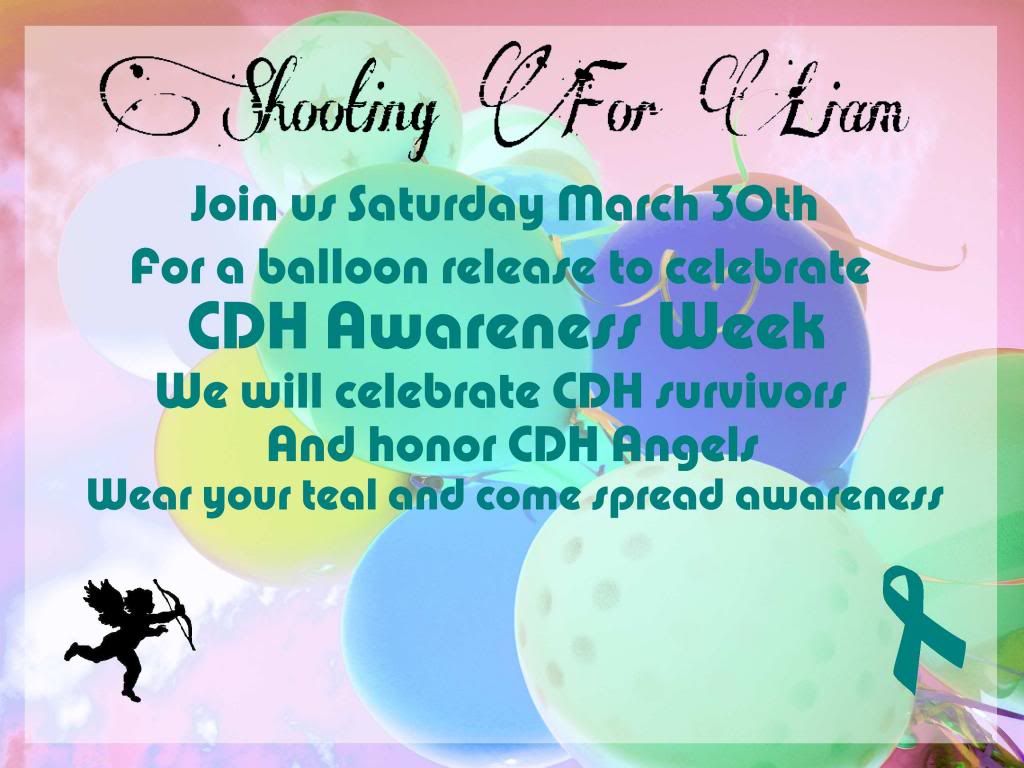
We're busy putting together our biggest event yet, the CDH Awareness Balloon Release as part of our celebration for CDH Awareness Week! Congress recognizes March 31st as CDH Awareness day, but this year Breath Of Hope is going for CDH Awareness WEEK! Yes you read that right, WEEK! And S4L is on board with this idea. On Saturday March 30th We will be doing a balloon release in Visalia CA in celebration of CDH Awareness week and to honor CDH survivors as well as CDH Angels. We are also selling CDH Awareness items to raise money for CDH Research. We have the date, March 30th, but we are still organizing the place and time.

 
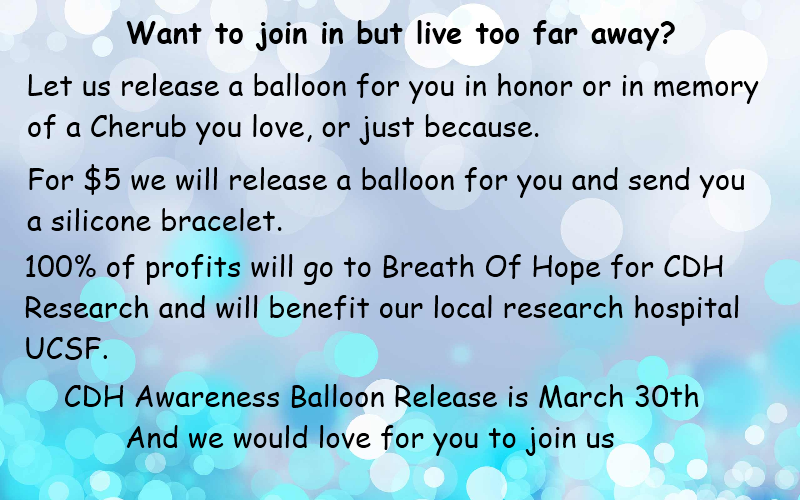
And for our readers that live too far awar to attend or for whatever reason cannot attend, don't fret, we have an option that allows you to "participate":
 
 
We have CDH Awareness Items available for sale. They are available now as well as at the event.
 
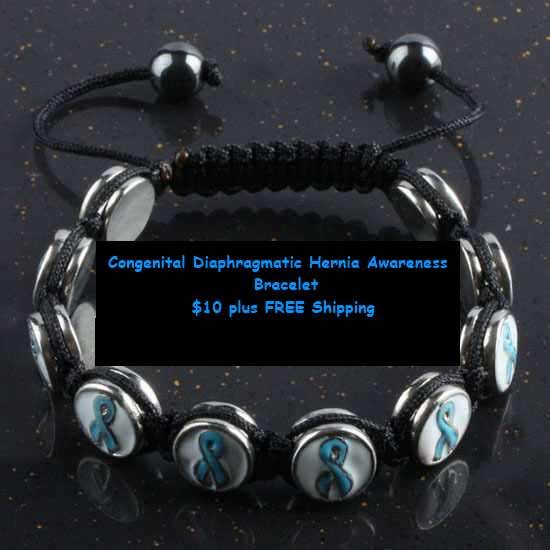
The teal CDH Awareness Macreme bracelet has been very popular and its hard to keep them in stock. They are $10 w/ free shipping. Because its so hard to keep them in stock it could take up to 4 weeks (sometimes longer) for you to get yours. We know the wait isnt ideal but we are very happy that so many of you have stuck with us even through the long wait time.
 
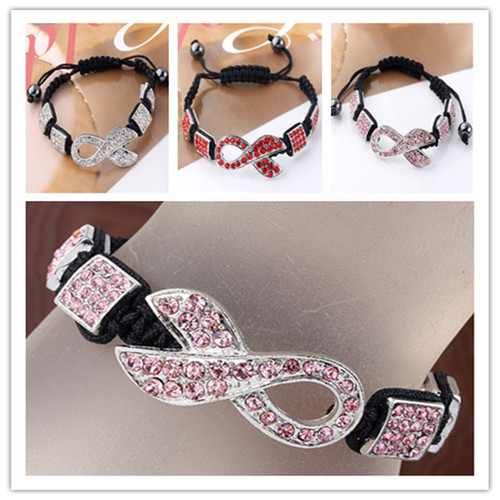
The Bling Awareness Bracelet has had many people interested even though I havent been able to offer teal for CDH Awareness. A few people order pink for their little ones currently fighting CDH or who have survived. This bracelet comes on Clear, Red and Pink only. Still trying to find a vendor that sells teal. They are $10 w/ free shipping and can also take a long period of time to come in as well.


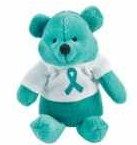
CDH Awareness Teddy Bear's $8 plus Free shipping 5 1/2" tall
 
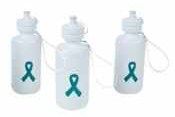
CDH Awareness Water Bottles $8 plus free shipping Holds 18 oz
 
 
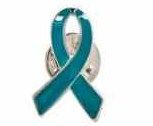
CDH Awarenes Teal Metal ribbon pins $5 plus free shipping
 
 
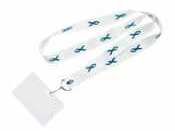
CDH Awareness Lanyards/badge holder $6 plus free shipping
 
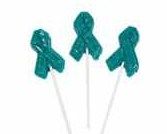
CDH Awareness Suckers 6 for $5 plus free shipping (online price only)
 
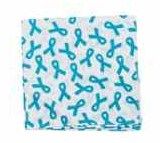
CDH Awareness Bandanas $4 plus free shipping
 
 
We also have Teal silicone bracelets $4 each or 4 for $12 plus free shipping.
 
If you are interested in ordering any of these items please email shootingforliam@yahoo.com so that we can send you a PayPal Invoice. Remember 40% of all sales go to CDH Research.